
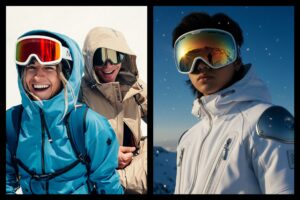
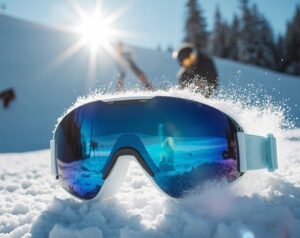

When thinking about ski gear, most people prioritize skis, boots, and insulated clothing. But there’s one item that truly separates beginners from experienced riders—ski goggles.
Many newcomers believe that regular sunglasses can provide enough protection. In reality, ski goggles offer far more than wind resistance. They affect your vision clarity, UV protection, eye comfort, safety, and overall skiing experience.
This article explains why ski goggles are not optional, but essential, and why you may have been underestimating their importance all along.
❄️ 1. Intense UV Protection: Your Eyes Need It More Than You Think
On snowy mountains, UV exposure is 2–3 times stronger than in everyday environments due to:
High altitude—UV levels rise with elevation
Snow reflection—snow reflects up to 80% of UV rays
Prolonged exposure can cause:
Snow blindness (a painful sunburn of the cornea)
Blurred vision
Tearing and light sensitivity
Dry or burning eyes
Professional ski goggles use UV400 lenses, blocking 99.9% of UVA/UVB rays and preventing snow blindness effectively.
In other words, a good pair of goggles can be the difference between “tearing up after two hours” and skiing comfortably all day.

🌫️ 2. Clear Vision in Unpredictable Weather
Weather in the mountains changes rapidly. One moment it’s sunny; the next, you’re surrounded by fog or falling snow.
Ski goggles dramatically improve visibility in all conditions:
• Low-Light Conditions: Improve Contrast & Terrain Recognition
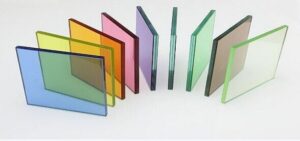
Yellow, amber, or rose-tinted lenses enhance contrast, making it easier to see bumps, dips, and textures on the snow.
• Bright Sunlight: Reduce Glare for Clearer Views
Snow reflects sunlight intensely—much stronger than regular environments. Goggles with polarized or mirrored lenses significantly reduce glare.
• Snow & Wind Protection
At high speeds, wind can reach 40–70 km/h. Without goggles, it’s nearly impossible to keep your eyes open.
🔥 3. Anti-Fog Technology: Keeping Your Vision Clear
Fogging is one of the biggest challenges during skiing.
Ski goggles prevent fog buildup through:
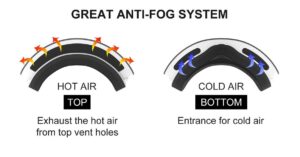
Double-layer lenses to reduce temperature difference
Built-in anti-fog coating
Ventilation channels that circulate air
Seamless compatibility with helmets
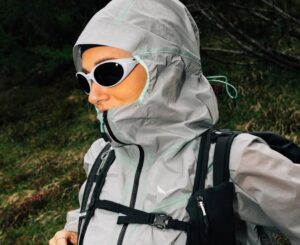
Sunglasses, on the other hand, fog very easily and are not designed for harsh winter conditions.
⛷ 4. Safety First: Protecting Your Eyes from Impact
Skiing is a high-speed sport—with falls, collisions, and flying snow chunks all possible.
Ski goggles protect your eyes by:
Blocking ice, branches, or debris
Using polycarbonate lenses, which are 200× stronger than regular plastic
Preventing blinding light that may cause accidents
Keeping your eyes warm in extreme cold
Without goggles, your risk increases significantly.
🧊 5. Comfort & Stability: Designed for Movement
✔ No slipping or bouncing
Elastic anti-slip straps keep goggles firmly in place, even during jumps.
✔ Perfect helmet compatibility
Goggles and helmets are designed to work together, minimizing gaps and cold air exposure.
✔ Soft foam for long-lasting comfort
Multi-layer foam ensures a snug yet comfortable fit, even after hours of wear.
🌈 6. A Style Icon: Ski Goggles Are Part of the Look
Beyond function, ski goggles have become a fashion statement.
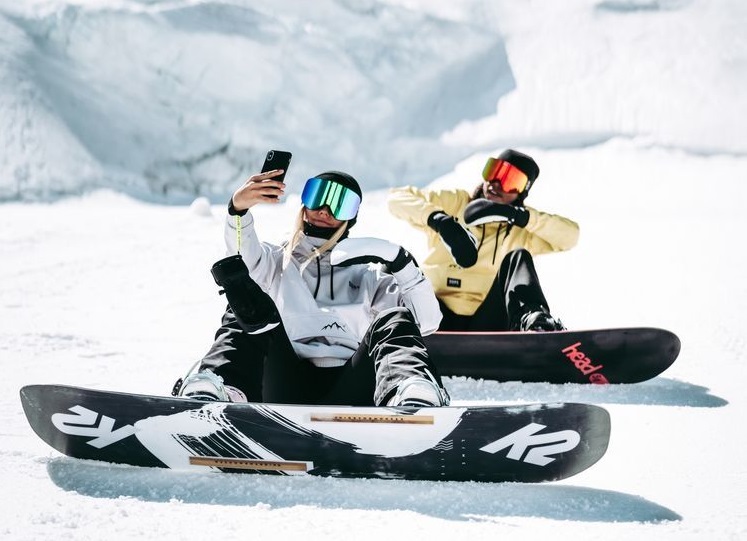
Mirrored lenses in vibrant colors
Stylish frames
Interchangeable lens systems
Photogenic appearance
Those colorful mirrored lenses are not only stylish—they’re engineered to filter specific light wavelengths for better vision.
🏁 Conclusion: Ski Goggles Are Not Optional—They Are Essential
A high-quality pair of goggles provides:
Strong UV protection
Clear visibility in all weather
Safety from impact and debris
Anti-fog performance
Comfort and stability
A stylish snow-ready look
Whether you’re a beginner or a seasoned skier, ski goggles play a crucial role in safety, performance, and enjoyment. If you’ve been skiing with normal sunglasses, you may have been underestimating their importance all along.