
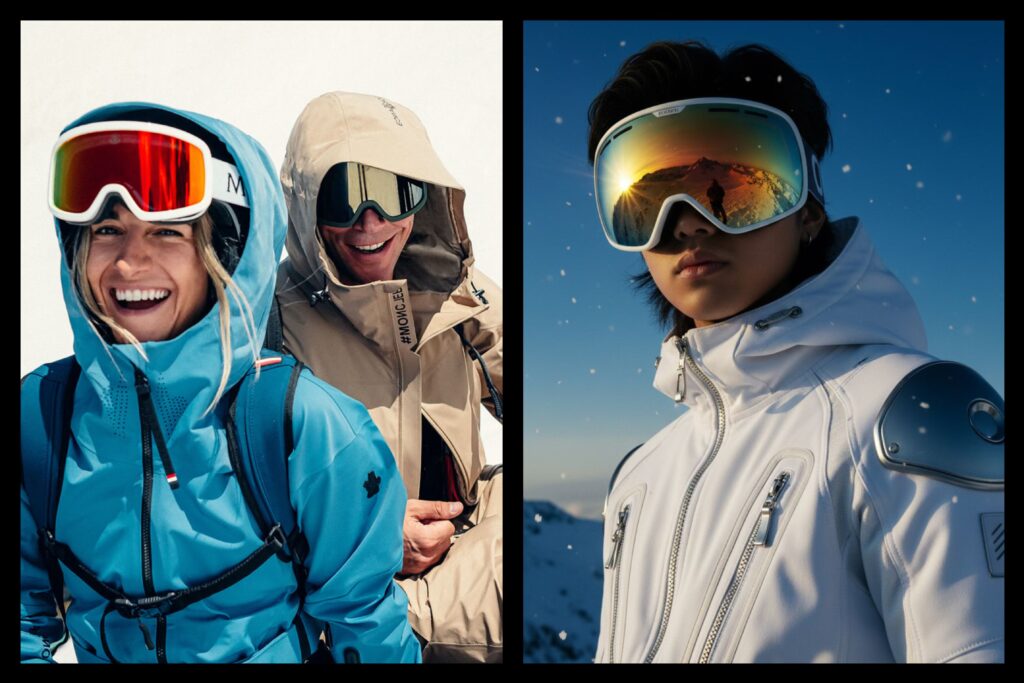
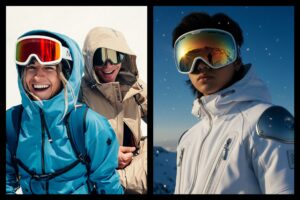
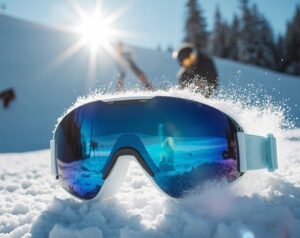

Ski goggles are more than just a stylish accessory—they directly affect your visibility, comfort, and safety on the mountain. With so many lens types, shapes, and technologies available, choosing the right pair can be confusing.
To make it easier, we’ve organized all common ski goggle types into clear, easy-to-read comparison charts.
Perfect for beginners, casual riders, or advanced skiers looking to upgrade their gear.
📌 1. Lens Structure: Single Lens vs Dual Lens
| Type | Structure | Advantages | Disadvantages | Best For |
|---|---|---|---|---|
| Single Lens | One-layer lens | High clarity, lower price | Fogs easily, poor insulation | Beginners, occasional use |
| Dual Lens | Two layers with an air gap | Strong anti-fog, better insulation, stable vision | Slightly higher cost | Most skiers, mid-to-advanced riders |
Lorem ipsum dolor sit amet, consectetur adipiscing elit. Ut elit tellus, luctus nec ullamcorper mattis, pulvinar dapibus leo.
📌 2. Lens Shape: Spherical vs Cylindrical
| Type | Shape | Advantages | Considerations | Style |
|---|---|---|---|---|
| Spherical Lens | Curved both horizontally & vertically | Wider field of view, reduced distortion | Higher price | Professional, premium look |
| Cylindrical Lens | Flat surface with vertical curvature | Stylish, affordable | Slight edge distortion | Modern, clean aesthetic |
📌 3. VLT Categories: Lenses for Different Weather Conditions
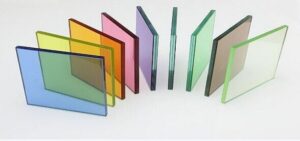
VLT (Visible Light Transmission) determines how much light passes through the lens.
| VLT Level | Weather Condition | Typical Colors | Best Use |
|---|---|---|---|
| 5–20% | Bright sunny days | Black, silver, dark gray | Strong sunlight, high glare |
| 20–40% | Mixed weather / partly cloudy | Blue, green, rose | All-day skiing |
| 40–80% | Cloudy, foggy, low light | Amber, yellow | Forest trails, overcast days |
| 80–99% | Night skiing | Clear | Indoor or night runs |
📌 4. Lens Replacement: Fixed Lens vs Interchangeable Lens
| Type | Replacement Method | Pros | Cons | Best For |
|---|---|---|---|---|
| Fixed Lens | Non-removable | Lightweight, affordable | Not adaptable to weather changes | Beginner & casual skiers |
| Interchangeable Lens | Magnetic or quick-swap system | Fast switching, versatile | Higher cost | All-day riders, variable weather |
📌 5. Fit Category: Standard vs OTG (Over-The-Glasses)
| Type | Fit Features | Pros | Best For |
|---|---|---|---|
| Standard Goggles | Traditional frame | Lightweight, minimalistic | Non-prescription users |
| OTG Goggles | Larger frame, side notches | Fits over eyeglasses, no pressure | Prescription glasses users |
📌 6. Ventilation System: Basic vs Enhanced
| Type | Design | Advantages | Best Scenario |
|---|---|---|---|
| Basic Ventilation | Single ventilation layer | Lower cost | Mild skiing conditions |
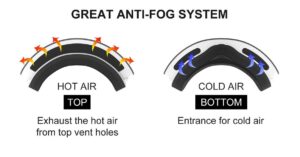
| Enhanced Ventilation | Multi-direction venting + anti-fog design | Strong anti-fog, high airflow | Intense skiing, sweat-prone users |
📌 7. Functional Lens Technologies
| Lens Feature | Benefits | Suitable Conditions | Why Choose It |
|---|---|---|---|
| Polarized Lens | Reduces glare | Icy surfaces, sunny days | Clearer visibility on bright snow |
| Photochromic Lens | Auto-adjusts tint | Changing weather | One-lens solution for all day |
| Anti-fog Coating | Prevents internal fogging | High humidity or temperature changes | Stable vision |
| Anti-scratch Coating | Improves durability | Daily use | Longer lens life |
📌 Quick Overview: Ski Goggle Type Summary
| Category | Options |
|---|---|
| Lens Structure | Single / Dual |
| Lens Shape | Spherical / Cylindrical |
| VLT Levels | 5–20% / 20–40% / 40–80% / 80–99% |
| Lens Swap System | Fixed / Interchangeable |
| Fit Type | Standard / OTG |
| Ventilation | Basic / Enhanced |
| Lens Features | Polarized / Photochromic / Anti-fog / Anti-scratch |
How to Choose the Right Ski Goggles?
When selecting ski goggles, focus on these 6 key factors:
Weather conditions → Choose the right VLT level
Fogging issues → Dual lens + enhanced ventilation
View preference → Spherical vs cylindrical
Daily use vs all-day skiing → Fixed or interchangeable lenses
Prescription needs → Standard or OTG
Performance level → Choose functional coatings as needed
A good pair of ski goggles improves visibility, enhances safety, and makes every run more enjoyable.