



When it comes to protecting your eyes, not all eyewear is created equal. Many people assume that regular glasses can shield their eyes from workplace hazards—but the truth is, only certified safety glasses are engineered to withstand high-impact risks, chemical exposure, and environmental challenges.
🛡️ 1. Purpose: Protection vs. Vision Correction
👓 Regular Eyewear
Daily prescription glasses are primarily designed for vision correction—helping users see clearly. Their structure focuses on optical clarity, style, and comfort.
🥽 Safety Glasses
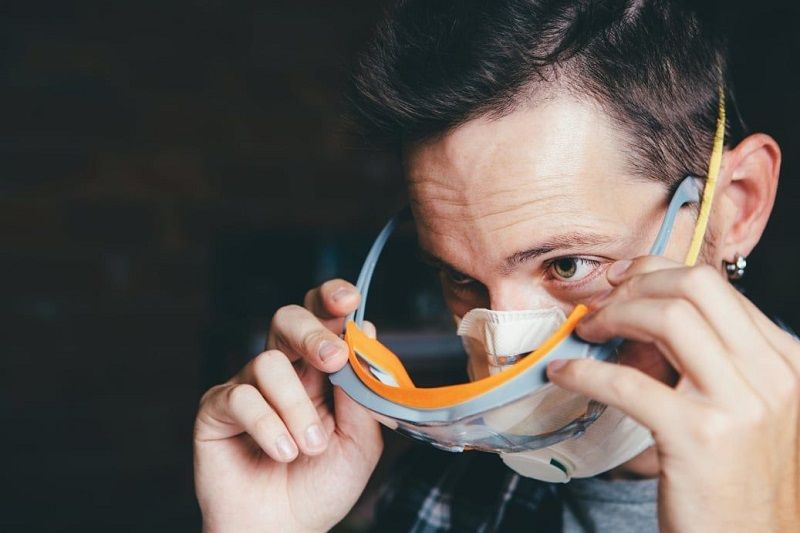
Safety glasses are purpose-built for eye protection in hazardous environments such as construction sites, factories, laboratories, and outdoor worksites.
They follow strict standards like ANSI Z87.1, EN166, or OSHA requirements.
Core purpose:
Impact protection
Chemical splash resistance
UV filtering
Environmental shielding (dust, wind, debris)
🔨 2. Materials: Tough vs. Fragile
👓 Regular Eyewear Materials
Typically CR-39 plastic or glass lenses, which offer good optical quality but break easily.
Frames are usually made from acetate, metal, or TR90 for daily comfort.
These materials are not intended to resist workplace hazards.
Lorem ipsum dolor sit amet, consectetur adipiscing elit. Ut elit tellus, luctus nec ullamcorper mattis, pulvinar dapibus leo.
🥽 Safety Glasses Materials
Safety glasses use industrial-grade materials engineered for impact resistance and durability.
Common materials include:
Polycarbonate lenses (250x stronger than glass)
Trivex lenses (lightweight, high clarity)
Flexible TR90 or nylon frames
Rubberized nose pads and temples for secure fit
These materials prevent lenses from shattering and protect the user in high-risk environments.
⚙️ 3. Lens Performance: Everyday Use vs. Industrial Protection
👓 Regular Eyewear Lenses
Primarily focused on:
Optical clarity
Anti-reflective options
Basic UV protection
Not built for impact absorption or resistance to chemical exposure.
🥽 Safety Glasses Lenses
Engineered with multiple protective features:
High-impact resistance
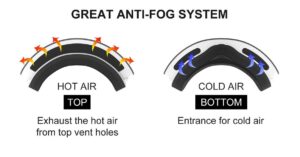
Anti-fog coatings
Scratch-resistant finish
Anti-splash design
UV400 protection
Wraparound coverage to shield peripheral vision
These features ensure stable performance even in extreme or hazardous conditions.
🏷️ 4. Certification: Safety Standards vs. No Standards
👓 Regular Eyewear
No requirement to meet industrial safety standards
Offers no verified protection against impact or chemicals
🥽 Safety Glasses
MUST pass strict tests such as:
ANSI Z87.1 (USA) — high-speed impact, high-mass impact, optical testing
Z87+ — advanced high-impact protection
EN166 (EU) — chemical, impact, thermal testing
OSHA compliance — required in many workplaces
Safety glasses always carry markings like Z87 / Z87+ / CE EN166.
👁️🗨️ 5. Design: Fashion-Oriented vs. Protection-Oriented
👓 Regular Eyewear Designs
Focused on aesthetics and comfort:
Thin frames
Fashion shapes (round, square, cat-eye, aviator)
Light lens coatings
🥽 Safety Glasses Designs
Focused on coverage and stability:
Wraparound shields
Side protection
Adjustable temples and nose pads
Reinforced frames
Larger lens areas for maximum protection
Some modern safety glasses combine style + protection, but function always comes first.
🧪 6. Use Cases: Daily Wear vs. Hazardous Environments
👓 Regular Eyewear is suitable for:
Daily wear
Office work
Driving
Reading
Digital screen use
🥽 Safety Glasses are essential for:
Construction & manufacturing
Woodworking, metalworking, and machinery operation
Laboratory and chemical handling
Outdoor industrial work
Sports with impact risks
Medical or dental procedures
Any environment with flying debris, dust, impact risk, or chemical exposure demands certified safety eyewear.
🏁 Regular Glasses Are Not Enough
While regular glasses help you see clearly, they cannot replace the level of protection that safety glasses provide.
If your environment exposes you to impact, dust, UV, or chemicals, choosing certified ANSI/EN166 safety glasses is the only way to ensure reliable eye protection.
Proper eyewear is not just an accessory—
👉 It’s essential safety equipment that protects one of your most valuable assets: your vision.