


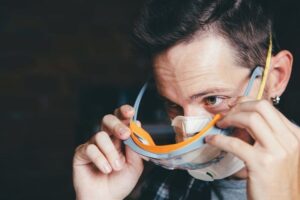
When it comes to protective eyewear, safety glasses and safety goggles serve different purposes—even though many people consider them the same. Choosing the right type is crucial for preventing injuries at work or in hazardous environments. Here’s a quick and clear comparison.
👓 1. Design: Open vs. Sealed Protection
Safety Glasses
Semi-open design
Protect from front and side impacts
Lightweight and comfortable
Do not fully block dust, liquids, or fine particles
Safety Goggles
Fully sealed around the eyes
Provide 360° protection
Ideal for chemicals, dust, and airborne hazards
💥 2. Types of Hazards They Handle
Safety Glasses
✔ Flying debris
✔ Sparks
✔ Basic dust
✖ Not suitable for liquids or chemicals
Safety Goggles
✔ Chemical splashes
✔ Fine dust or powders
✔ Vapors and mists
✔ High-impact environments
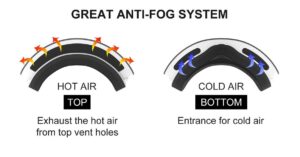
🌫️ 3. Fog Resistance & Ventilation
Glasses: Better natural airflow → less fog
Goggles: Enclosed design → require anti-fog coatings or indirect vents
🦺 4. Comfort & Wearing Experience
Glasses: Light, breathable, all-day comfort
Goggles: Tighter fit, heavier, more protective
🧭 5. When to Use Each
Use Safety Glasses For:
Construction • Carpentry • Cutting/Grinding • Outdoor industrial work
Use Safety Goggles For:
Laboratories • Chemical handling • Medical settings • Woodworking • Dusty environments
Safety glasses provide lightweight impact protection for everyday industrial tasks, while safety goggles offer full-seal protection against chemicals, dust, and high-risk environments.
To protect your vision effectively, choose based on your specific hazards—not just comfort or appearance.